
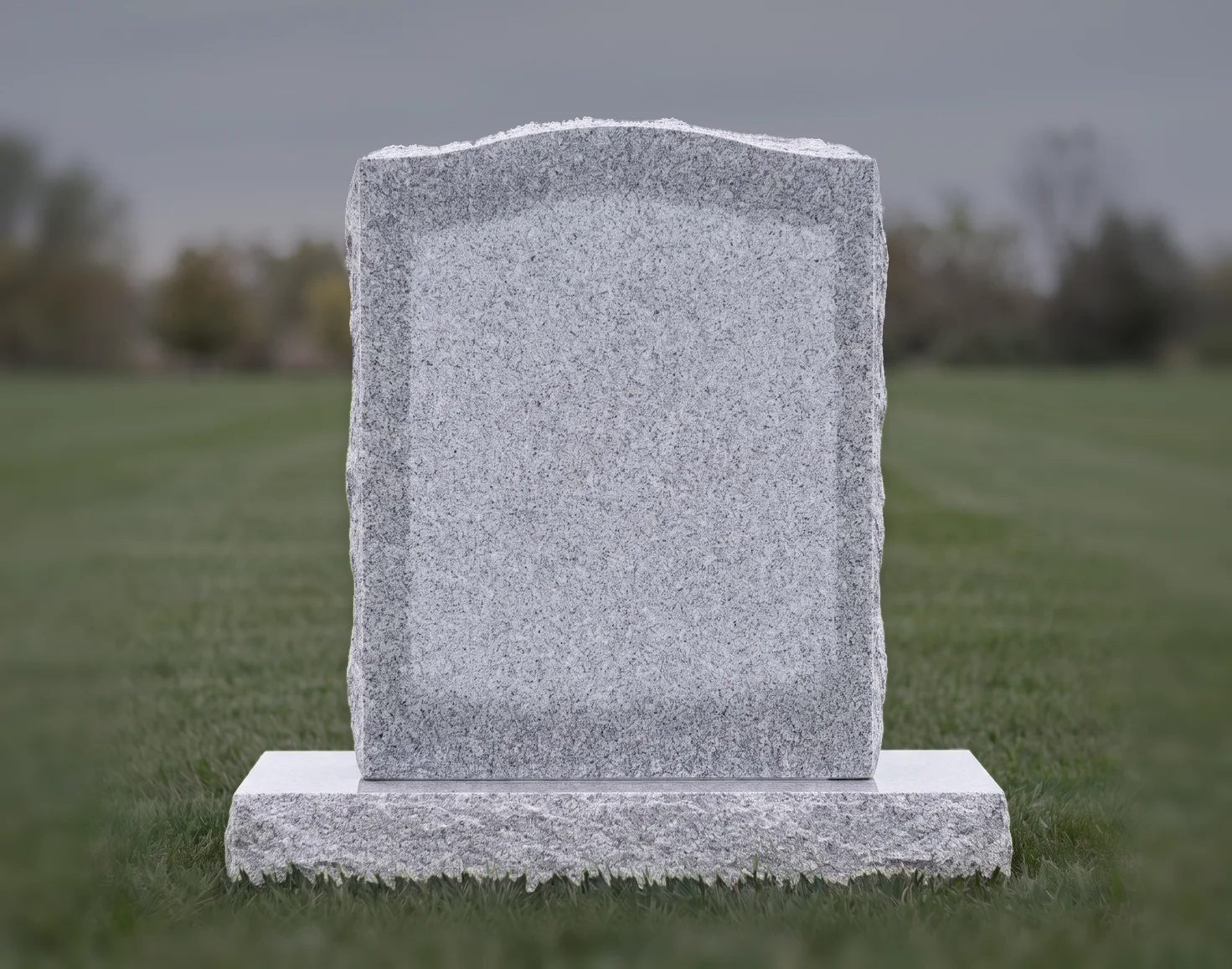
First, should this stone be cleaned?
The goal is to remove dirt, lichen, bird droppings and sap. The VA says “it is NOT to make the headstone or marker look ‘like new.’” Every cleaning wears away a little stone. As a Virginia state conservator puts it, “A little bit of the stone is removed every time we clean it, so we have to remember to clean in moderation.”
Look at the stone closely before you begin. Leave it alone, and ask a conservator, if it:
- leans, or seems loose on its base (National Park Service, Maine Old Cemetery Association);
- is cracked, or badly worn, especially an older stone (VA);
- is flaking, or “sugaring,” a loose, grainy surface (National Park Service);
- sounds hollow when you tap it gently with a knuckle (Michigan’s guide).
Take a photograph first, and write down what the stone says, front and back (Virginia). And if the words are easy to read, the Maine Old Cemetery Association says it “probably should not be cleaned.”
Can I legally clean a headstone at the cemetery?
Ask first. We did not find one law that covers every cemetery, but every guide we read says to get permission. The VA says to clean only “after receiving permission from the property landowner.” Adirondack Architectural Heritage says to contact the association or town that manages the cemetery.
If the stone is not your own family’s, ask the family too. Winterthur Museum says to ask “the immediate family or descendants of the person whose gravestone you want to clean.” In some towns the stones belong to the people who bought them (FamilySearch), and a VA headstone or marker remains federal property (VA).
When to clean: the weather
Pick a mild day. The VA says to clean only above 40°F, and the National Park Service says not to clean when a freeze is expected within 48 hours. Water left in a stone can freeze and crack it (Winterthur Museum). Other guides give 24 or 72 hours, so a longer gap is safer.
Avoid a hot stone, too. Cold water on hot stone “can cause stress fractures” (FamilySearch). Georgia’s preservation office says an overcast day is best, when the stone is cool and dries slowly (Georgia HPD).
What you need
- Plenty of clean water. Buckets, spray bottles or a hand sprayer, never a power washer (VA). “It takes a lot of water to properly clean stone” (NCPTT).
- Soft brushes, natural or nylon, with no plastic or metal bristles (VA). NCPTT suggests vegetable brushes or soft grooming brushes for large animals, with any metal edges taped over. Wooden handles are best (Georgia HPD).
- Wooden craft sticks or bamboo skewers for lichen in the letters: tools softer than the stone (Chicora Foundation).
- Clean white rags, since colored ones can rub off on the stone (Georgia HPD).
- Gloves and eye protection (NCPTT).
- A cleaner, only if water is not enough, used as its maker directs (VA). More on that below.
How to clean a headstone, step by step
These steps follow the VA’s cleaning guide for headstones and markers, which covers both marble and granite.
- Clear around the stone. Pull grass and leaves away by hand. Never pull vines off a stone, because that can damage it (Michigan’s preservation guide).
- Test first. Try any cleaner on a small spot that does not show, and let it dry to make sure it does not discolor the stone (VA). The National Park Service suggests a patch about 6 x 6 inches, then waiting several days before you judge it.
- Soak the stone. Wet the whole stone well with water before any cleaner goes on. The stone soaks up the water, so the cleaner stays on the surface (VA).
- Start with water and a soft brush. “Most headstones and markers can be cleaned with water alone,” the VA says.
- Keep it wet. Keep the stone wet the whole time, and never let a cleaner dry on it (VA, NCPTT). Dip the brush often: Michigan’s guide says never to use a dry brush.
- Scrub gently, bottom to top. Work in small areas with gentle circles, starting at the bottom and moving up (VA). Working upward helps prevent staining and streaks (Chicora Foundation).
- Rinse, then rinse again. Rinse the whole stone thoroughly so no cleaner is left behind (VA). Chicora lets water run over it for at least five more minutes.
- Be patient. A biological cleaner keeps working after you leave. The National Park Service says to allow two weeks or more for biological soiling to disappear.
What is the best thing to clean a grave headstone with?
Water. The VA says most stones need nothing else. For tougher dirt, it suggests water with a gentle detergent, and names Vulpex, Orvus and Ivory Liquid as examples. For algae, mildew, moss or lichen, it suggests a cleaner made for biological growth, such as D/2 Biological Solution, Prosoco ReVive, Cathedral Stone Bio-Cleaner or Wet and Forget. The VA says these names are examples only, not endorsements.
Of the five cleaners the National Park Service tested on marble headstones for the VA, D/2 Biological Solution, which is based on quaternary ammonium compounds, “was the best performer” (NCPTT comparative study). Citrus cleaners did not stop the growth coming back, and Kodak Photo-Flo “ranked lowest.”
How strong to mix a biological cleaner, and how long to leave it on, differ from one guide to the next. The NCPTT says the dilution and the time on the stone are the two things that matter most, and that a stronger mix can harm the stone (NCPTT). So follow the label.
Lichen, moss and black growth
This is what a biological cleaner is for. Wet the stone, apply the cleaner as its label says, scrub gently, and rinse (VA). Use a wooden stick, never metal, to lift thick lichen (Winterthur Museum).
Two things surprise people. First, the stone may turn a color for a while. FamilySearch says an orange color can appear as the growth dies, and the D/2 maker lists yellow, red, orange, brown or green as possible (FamilySearch, D/2). Second, the cleaner keeps working after you go home: D/2 keeps whitening the stone over several months (Utah SHPO).
You may not need to scrub at all. The Association for Gravestone Studies says “the scrubbing of historic or fragile markers is not advised,” because accepted biocidal cleaners alone will clean most markers over about a year.
What can you clean a granite headstone with?
The same gentle way: water and a soft brush first. The VA’s method covers granite as well as marble. A Rock of Ages retailer says to start with a gentle soap like Ivory and water, with a nylon brush, and to rinse well, and if that does not work, “it’s time for a professional cleaning” (Rock of Ages).
Two granite tips from the same article. Some cemeteries use well water that is high in iron, which is not good for granite, so bring water from home. And skip products made for indoor granite countertops, which might seal the pores and cause stains later.
Can you use Dawn to clean a headstone?
On granite, some guides say yes. FamilySearch says granite can be gently scrubbed with Dawn dish soap and clean water, and not to use that method on stones that are not granite. A cemetery in New York, Pittsford Cemetery, suggests Dawn too, half water and half soap.
Other guides disagree. Georgia’s preservation office lists household detergents and soaps as not recommended (Georgia HPD), and the Maine Old Cemetery Association tells amateurs to use water only (MOCA). So try water first. If you use soap on granite, rinse until none is left.
What should you not put on a headstone?
The guides agree on this list:
- Bleach, including pool chlorine. It leaves salts in the stone that damage it (VA, NCPTT, Chicora Foundation).
- Strong acids and strong bases, such as muriatic acid or concentrated ammonia (VA).
- Pressure washers. The VA does not allow the public to power wash its headstones and markers, and the National Park Service says not to power wash with high pressure.
- Wire brushes and metal tools, like putty knives or scrapers (Michigan’s guide, Winterthur Museum).
- Sandblasting, sanders, drills and grinders (National Park Service). The NCPTT does not advocate grinding, re-lettering or polishing headstones either.
- Household cleaners (Utah SHPO).
- Shaving cream, sometimes used to make the letters show. Michigan’s guide says it makes stone deteriorate faster.
- Sealers and coatings. They can trap moisture in the stone (National Park Service, Michigan’s guide).
Will vinegar clean a headstone?
Do not use it. Memorials.com says vinegar “is acidic and will etch marble, limestone, and sandstone surfaces,” and can damage polished granite too. The preservation guides do not name vinegar, but they rule out acids: on marble and limestone, acids “dissolve the stone,” and “This damage cannot be undone” (Chicora Foundation).
Can baking soda be used to clean headstones?
None of the government or preservation guides we read recommends it. Michigan’s guide says blasting with baking soda is too abrasive for older headstones (Michigan’s guide). Water and a soft brush are the safer start.
How do you make a gravestone look new again?
The guides say not to try. Michigan’s says “do not attempt to return the stone to its original brightness,” and the National Park Service says it “should never be the intent to make a grave marker look ‘new’.” Often what looks like dirt is the patina of age (Chicora Foundation).
If the lettering has worn past reading, that is a question for a monument company, not a brush.
How often should you clean a headstone?
Not often. The National Park Service says historic headstones should not be cleaned more than once a year, and Winterthur Museum says the same for family stones. Some guides say less: every four to six years (Michigan’s guide), or every five to ten (Virginia DHR). A stone in shade under trees may need it more often than one in the sun (National Park Service).
How much does it cost to have a headstone cleaned?
Prices vary, and we found only one company’s list: Grave Care Services charges “typically around $140” for a grave marker or a standard headstone, and from about $220 for a large one. To do it yourself, one seller lists a quart spray bottle of D/2 at $18.95 and a gallon at $45.95 (Cemetery Preservation Supply, October 21, 2026). For an old or fragile stone, a conservator is the right call.
Flat markers and bronze
A flat marker cleans the same way. Clip the grass back from its edges by hand, since lawn mowers and weed whackers are the most common cause of damage to gravestones (Adirondack Architectural Heritage). For the types and sizes, see our guide to grave markers.
Bronze is different. The VA says bronze made before the 1970s was not sealed and has a blue-green patina that cleaning will not remove. And a white bronze (zinc) marker needs specialized handling, the Maine Old Cemetery Association says, so do not clean one this way.
When the words have worn away
Sometimes a stone is clean but the words are hard to read, or a second name needs to be added. That is a job for a monument company. If you want to plan the wording first, you can lay it out on a stone here and send it to them.
Customize your headstone now
Type a name and see it on the stone. Free, no account.

Stone
The full designer adds symbols, lettering styles, sizes in inches and a link to send to your monument company.
Planning new lettering?
Letter a stone with the names and dates, see the sizes in inches, and send the design to your monument company. It is free, and there is no account.
Choosing a new stone? Compare the types of headstones, or see the headstone fonts and how letters are cut.
Sources
- U.S. Department of Veterans Affairs, National Cemetery Administration: Cleaning government-furnished headstones and markers
- National Park Service: Cleaning grave markers (Cemetery Preservation Course)
- NPS National Center for Preservation Technology and Training: Best practice recommendations for cleaning government issued headstones
- NPS National Center for Preservation Technology and Training: Comparative study of commercially available cleaners for federally issued headstones
- National Park Service: Preservation Brief 48, Preserving grave markers in historic cemeteries
- NPS National Center for Preservation Technology and Training: Abrasive cleaning of grave markers
- Georgia Historic Preservation Division: Cleaning markers and monuments
- Michigan Historic Cemeteries Preservation Guide (Michigan SHPO)
- Virginia Department of Historic Resources: Cemetery conservation, side effects of best intentions
- Utah State Historic Preservation Office: Gravestone cleaning
- Chicora Foundation: Cleaning
- The Association for Gravestone Studies: Preservation
- Winterthur Museum: Caring for your family’s gravestones
- Adirondack Architectural Heritage: How to clean a gravestone
- Maine Old Cemetery Association: Cleaning gravestones
- FamilySearch: How to clean a headstone, tips and tricks
- Pittsford Cemetery: How to safely clean headstones
- D/2 Biological Solution: How to use D/2
- Rock of Ages: Proper techniques for cemetery memorial maintenance
- Memorials.com: How to clean a headstone
- Grave Care Services: Pricing
- Cemetery Preservation Supply: D/2 prices